Bali to Raja Ampat: A Practical Guide to Flights, Costs, and Logistics
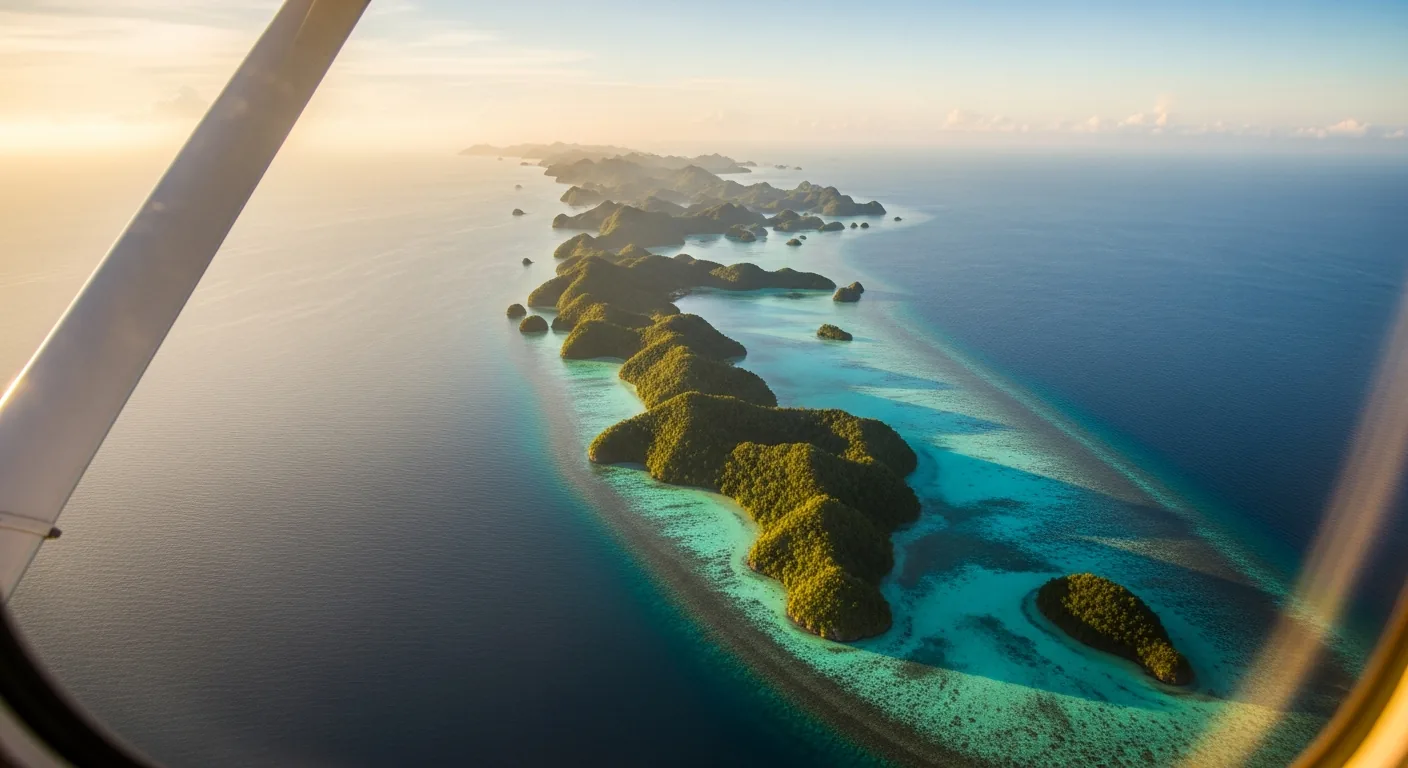
The late afternoon air in Canggu is thick with the scent of clove cigarettes and frangipani, a familiar sensory signature for anyone who has spent time on Bali. The island operates on a rhythm of ceremony, wellness, and sophisticated leisure. Yet, for a certain type of traveler, Bali is the meticulously arranged prelude to a far wilder composition. The objective is Raja Ampat, an archipelago of 1,500 jungle-crowned karst islands in West Papua, a place defined not by beach clubs but by the sheer density of its marine life. The problem is the 2,400 kilometers of ocean, islands, and logistical hurdles that separate the two. See also: book Contact.
Connecting Bali’s polished tourism infrastructure with the raw, expeditionary nature of Raja Ampat is not a simple matter of booking a single flight. It is a multi-stage process that requires careful planning, an understanding of domestic Indonesian air travel, and a realistic budget. This guide deconstructs the journey from Denpasar to the heart of the Coral Triangle, providing the specific flight data, cost analysis, and transfer details necessary for a seamless transition from one version of paradise to another. See also: Bali to Raja Ampat Travel Guide.
The Geographic and Logistical Challenge: Bridging Bali and West Papua
The primary barrier between a Seminyak villa and a Raja Ampat liveaboard is the absence of direct commercial flights. Denpasar’s Ngurah Rai International Airport (DPS) is a major global hub, serving millions of passengers with direct connections to dozens of countries. The gateway to Raja Ampat, Domine Eduard Osok Airport (SOQ) in Sorong, is a regional airport with a fundamentally different scale and purpose. It primarily serves domestic routes within Indonesia, acting as the critical entry point for West Papua. See also: Raja Ampat Itinerary From Bali pricing.
To travel from Bali to Raja Ampat, one must transit through a major Indonesian city with direct service to Sorong. The two most efficient and frequently used hubs are Sultan Hasanuddin International Airport (UPG) in Makassar, South Sulawesi, and Soekarno-Hatta International Airport (CGK) in Jakarta. Each route has distinct characteristics regarding flight duration, layover time, and cost. The journey is a commitment, typically spanning 8 to 12 hours from hotel check-out in Bali to arrival in Sorong. This is not an inconvenience but a feature of reaching one of the planet’s most biologically significant and protected marine environments. The effort involved in the Bali to Raja Ampat transit is precisely what preserves its remote character. See also: see Bali to Raja Ampat Travel Guide’s About.
Deconstructing the Flight Path: Denpasar (DPS) to Sorong (SOQ)
Navigating the flight from Bali to Sorong requires choosing between the two primary transit points. The decision often comes down to a trade-off between total travel time and flight schedule flexibility. Reputable domestic carriers such as Garuda Indonesia, Batik Air, and Lion Air operate these routes daily. It is critical to book all legs of the journey under a single booking reference when possible to protect against misconnections, though sometimes separate tickets are required for the best pricing.
Route 1: The Makassar Transit (DPS-UPG-SOQ)
This is frequently the most time-efficient path. Makassar’s Sultan Hasanuddin International Airport (UPG) is geographically well-positioned as a hub for Eastern Indonesia. The flight from Denpasar to Makassar is approximately 90 minutes. After a layover, the connecting flight to Sorong takes around two hours. The total airtime is minimal, and layovers in UPG are often structured for quick connections, typically lasting between 90 minutes and three hours.
- Airlines: Lion Air and Batik Air are the primary operators on this route, often offering multiple daily flights. Garuda Indonesia may also offer this connection.
- Typical Timing: Many travelers opt for an overnight flight combination, leaving Denpasar late in the evening (e.g., a 10:00 PM departure), connecting through Makassar around midnight, and arriving in Sorong between 6:00 AM and 7:00 AM local time. This timing allows for immediate transfer to the Sorong port for a morning ferry or liveaboard departure.
- Cost Projection: A one-way ticket for this Bali to Sorong route typically costs between USD $150 and $300, contingent on the season and how far in advance the booking is made.
Route 2: The Jakarta Transit (DPS-CGK-SOQ)
While geographically less direct, transiting through Jakarta’s Soekarno-Hatta International Airport (CGK) can sometimes offer more competitive pricing or greater scheduling options due to the sheer volume of flights into and out of the nation’s capital. The first leg from Denpasar to Jakarta is about two hours. The onward flight from Jakarta to Sorong is a longer, direct red-eye flight, lasting approximately four hours.
- Airlines: Batik Air and Garuda Indonesia are the main carriers for the direct CGK-SOQ leg. The initial DPS-CGK flight is served by nearly all Indonesian airlines.
- Typical Timing: This route also lends itself to an overnight schedule. A traveler might depart Bali in the early evening, have a three-to-four-hour layover in Jakarta’s domestic terminal, and board a flight around 11:00 PM or midnight, arriving in Sorong in the early morning.
- Cost Projection: One-way fares can range from USD $180 to $350. The wider range reflects the greater number of carriers and competition on the Bali-Jakarta segment.
Flight Route Comparison: Bali to Raja Ampat
| Metric | Via Makassar (UPG) | Via Jakarta (CGK) |
|---|---|---|
| Total Average Travel Time | 8 – 10 hours | 9 – 12 hours |
| Typical One-Way Cost (USD) | $150 – $300 | $180 – $350 |
| Primary Airlines | Lion Air, Batik Air | Batik Air, Garuda Indonesia |
| Layover Experience | Efficient, smaller airport. Generally straightforward transfers. | Large, busy airport. May require terminal changes and longer walks. |
| Best For | Time-conscious travelers seeking the quickest route. | Travelers prioritizing schedule flexibility or potentially lower fares. |
Financial Planning: A Complete Bali to Raja Ampat Cost Breakdown
A trip to Raja Ampat is a significant investment, with the majority of the expense allocated to the liveaboard or resort. Understanding the full cost structure is essential for proper planning. Prices are listed in USD for international clarity, though transactions on the ground will be in Indonesian Rupiah (IDR).
1. Round-Trip Flights (DPS-SOQ-DPS): As detailed above, budget between USD $300 and $700 per person for the return domestic flights. Prices peak during the Christmas and New Year holiday period. Pay close attention to baggage allowances; divers with heavy gear should consider Garuda Indonesia, which historically offers a more generous sports equipment allowance.
2. Raja Ampat Marine Park Permit (PIN): This is mandatory for all visitors entering the park. The revenue supports conservation and community development initiatives.
- International Visitor Fee: IDR 700,000 (approximately USD $45)
- Domestic Visitor Fee: IDR 425,000
- Validity: The permit is valid for 12 months from the date of purchase. It can be acquired at the Tourist Information Center in Waisai or the official office in Sorong. Most reputable liveaboards will arrange this for their guests.
3. Liveaboard or Resort Accommodation: This constitutes the largest portion of the budget. The experience and cost vary dramatically.
- Phinisi Liveaboards: These traditional Indonesian wooden schooners are the classic way to explore the archipelago. A 7-night/8-day expedition on a mid-range vessel like the *Tiare* or *Mermaid II* typically costs between USD $4,000 and $6,500 per person. This price generally includes accommodation, all meals, and 3-4 dives per day. Exclusions are typically park fees, equipment rental (approx. $300/week), crew gratuity (customarily 10-15% of the trip cost), and alcoholic beverages.
- Luxury Vessels: High-end operators such as *Aqua Blu* or *Rascal Voyages* offer a more exclusive experience with refined service, larger cabins, and gourmet cuisine. A 7-night charter on these vessels can exceed USD $10,000 per person.
- Land-Based Resorts: For those who prefer a fixed base, options range from local homestays to exclusive eco-resorts. A stay at the critically acclaimed Misool Eco Resort in the south can cost upwards of USD $5,000 per person for a week, including transfers and diving. More accessible resorts near the Dampier Strait, like Papua Paradise Eco Resort, offer packages starting around USD $3,000 for a similar duration.
From Sorong to the Karst Islands: The Final Transfer
Upon landing at Sorong’s Domine Eduard Osok Airport, the journey is not yet complete. The final leg involves a sea transfer to the islands themselves. Your liveaboard or resort will have provided clear instructions, which generally follow one of two paths.
For Liveaboard Guests: Most liveaboard operators provide a complimentary, coordinated transfer. A company representative will meet you at the airport arrivals area, gather your luggage, and escort you via a short 15-20 minute taxi ride (costing around IDR 100,000 or $6.50 if not included) to the main harbor, Pelabuhan Rakyat. From there, you will be taken by tender to your vessel, which is often anchored nearby, ready for a midday departure.
For Independent Travelers and Resort Guests: If you are traveling to Waisai, the administrative capital of Raja Ampat on the island of Waigeo, you will use the public express ferry.
- Schedule: The ferry typically runs twice daily from Sorong to Waisai, at 9:00 AM and 2:00 PM. It is imperative your flight from Bali to Raja Ampat arrives in Sorong with enough time to make these departures. An arrival after 1:00 PM will likely necessitate an overnight stay in Sorong.
- Duration and Cost: The crossing takes approximately two hours. Tickets can be purchased at the harbor office. An economy class seat costs IDR 125,000 (~USD $8), while a seat in the air-conditioned VIP section is IDR 250,000 (~USD $16).
- Private Transfers: Your resort will arrange a private speedboat transfer. This is a far more expensive but seamless option, with costs varying from a few hundred to over a thousand US dollars depending on the distance to the specific island.
Expert Advice: Optimizing Your Itinerary and Seasonality
To maximize the significant investment of time and money, timing and preparation are crucial. According to Dr. Gede Metria, a marine biologist who has logged over 5,000 dives in the Coral Triangle, “The primary consideration for any Raja Ampat expedition is the season. While diving is possible year-round, the conditions vary significantly.”
The optimal period to visit Raja Ampat is during the dry season, which runs from October to April. During these months, the seas are generally calm, and underwater visibility can extend to 30 meters or more. This is the peak season for liveaboard operations. The monsoon season, from roughly June to September, brings stronger winds and surface chop, particularly affecting the southern region of Misool. While the central and northern areas remain more sheltered, some operators may halt operations or alter itineraries. The shoulder months of May and September can offer a good balance of favorable conditions and lower crowds.
Dr. Metria offers a key logistical tip: “Always book your Bali to Sorong flight to land before 11:00 AM. This provides a comfortable buffer to collect luggage, travel to the port, and board the 2:00 PM ferry to Waisai. Missing it means a lost day and an unnecessary night in a Sorong hotel.”
Your Action Plan: A Step-by-Step Booking Guide
Executing a successful trip from Bali to Raja Ampat requires a structured approach to reservations. Follow this timeline for a well-organized process.
- 6 to 12 Months in Advance: Your first and most important booking is your liveaboard or primary resort. The most reputable operators, especially those with a limited number of cabins, are often fully booked a year or more in advance for peak season dates (December-February). Secure your spot with a deposit.
- 3 to 5 Months in Advance: With your Raja Ampat dates confirmed, book your domestic flights from Denpasar (DPS) to Sorong (SOQ). Use flight aggregators to compare the Makassar and Jakarta routes for both price and timing. Confirm the baggage allowance policy, particularly if you are traveling with a full set of dive equipment.
- 1 to 2 Months in Advance: Reconfirm your transfer logistics with your liveaboard or resort. Ensure they have your exact flight arrival details. If traveling independently, verify the current public ferry schedule, as it can be subject to change.
- Upon Arrival in Indonesia: If you are entering Indonesia via Bali, ensure you have sufficient Indonesian Rupiah (IDR) for any incidental expenses in Sorong. While credit cards are accepted by major operators, cash is necessary for local taxis, small port fees, and gratuities.
Navigating the logistics from Bali to Raja Ampat requires precision and local knowledge. Our specialists have mapped these routes for hundreds of clients, ensuring a seamless connection from the Island of the Gods to the world’s most vibrant reefs. Contact us to design your itinerary.
Brand: Bali to Raja Ampat Travel Guide
Phone: 0811-3941-4563
Email: sales@komodoluxury.com
Office: Jalan Sunset Road No. 88, Kuta, Badung, Bali 80361