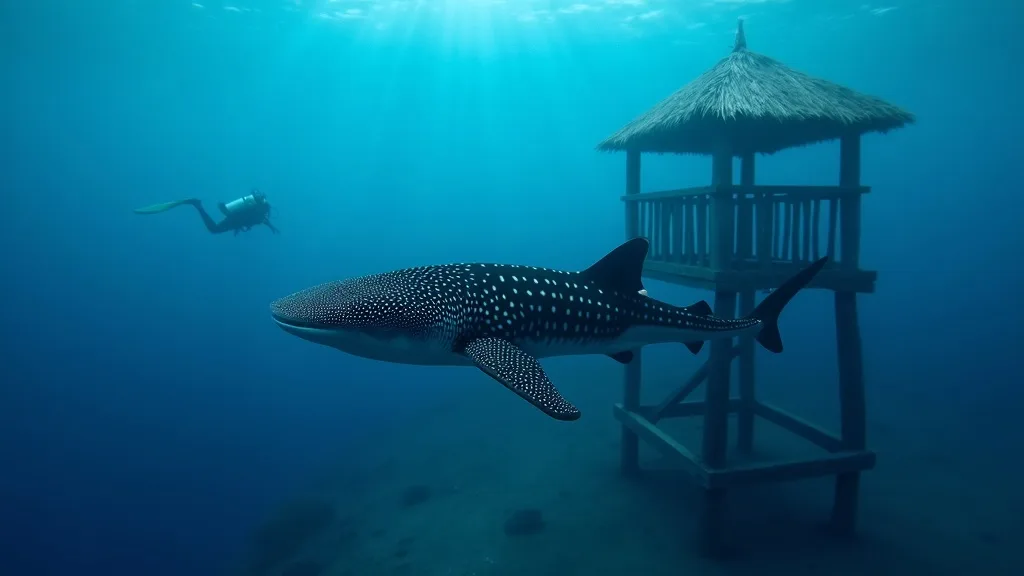
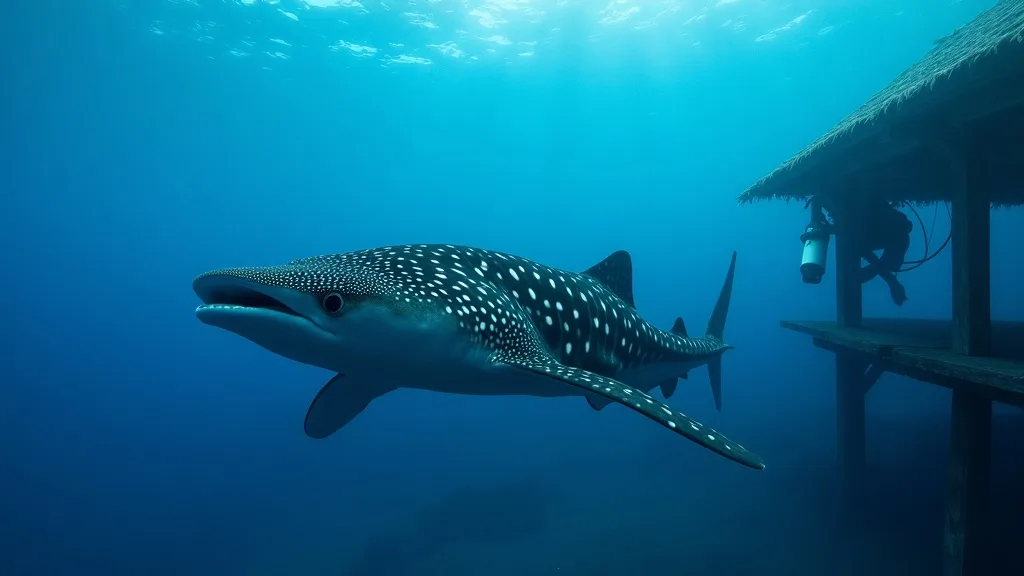
2027 is poised to be a significant year for Raja Ampat tourism, marked by substantial visitor growth, a pronounced focus on eco-travel principles, and the introduction of enhanced premium travel options. The region’s UNESCO Global Geopark status, solidified in 2023, continues to attract discerning travellers seeking a profound connection with nature.
Raja Ampat in 2027: A Special Moment for Eco-Tourism
As we approach 2027, Raja Ampat is undeniably stepping into a pivotal period for its tourism sector. Forecasts indicate this year will be a “special moment”, driven by a confluence of factors, including a global surge in eco-travel awareness, substantial improvements in local infrastructure, and the introduction of increasingly sophisticated premium speedboat and liveaboard options. These elements are collectively shaping an environment where sustainable tourism practices are not merely encouraged but are becoming the very foundation of the visitor experience. The Indonesian Ministry of Tourism’s proactive promotions, combined with widespread international media coverage, are ensuring that Raja Ampat remains firmly in the global spotlight, consistently ranked among the world’s top diving destinations. This sustained recognition means that 2027 is expected to be one of the busiest years on record, particularly during the high season, as travellers increasingly prioritise destinations that offer both natural splendour and a commitment to conservation.
The region’s official designation as a UNESCO Global Geopark in 2023 has significantly bolstered its international prestige. This status underscores Raja Ampat’s geological heritage and its biodiversity, attracting a segment of travellers who value environmental protection and cultural preservation. The focus on eco-travel is not merely a trend; it is the dominant operational philosophy, aiming to preserve the area’s extraordinary natural beauty while carefully managing visitor impact. This approach means accommodating a higher-cost, lower-volume tourism model, which helps fund conservation efforts and supports local communities directly.
Safeguarding Raja Ampat: Conservation Efforts and Their Impact
A crucial aspect underpinning Raja Ampat’s appeal in 2027 is the ongoing commitment to environmental protection. Concerns regarding potential mining threats, particularly from nickel extraction, have been a significant point of contention. However, the Ministry of Environment’s temporary suspension of such activities is a welcome development, specifically designed to prevent irreparable damage to the region’s invaluable coral reefs and marine ecosystems. This decisive action reaffirms Indonesia’s dedication to preserving Raja Ampat’s natural capital, which is the primary draw for its visitors.
This proactive stance on conservation ensures that the pristine marine environments, home to an diversity of coral and fish species, remain intact for future generations. For travellers planning their 2027 visits, this means they can expect to encounter the same vibrant underwater landscapes that have captivated divers and snorkellers for decades. The commitment to safeguarding these environments is not just ecological; it is also economic, securing the long-term viability of tourism, which is a vital source of income for local communities.
Planning Your 2027 Expedition: Tour Packages and Pricing
For those contemplating a visit to Raja Ampat in 2027, a range of meticulously curated tour packages are available, designed to cater to varying interests and timeframes. These packages reflect the region’s commitment to providing structured yet immersive experiences, balancing exploration with responsible tourism practices. An ‘Open Trip’ via speedboat, for instance, typically spanning 4 days and 3 nights, is priced around Rp 8,000,000 per person, predicated on a minimum of four participants. These shorter itineraries often focus on key highlights such as Piaynemo, Arborek, and Pasir Timbul, providing an excellent introduction to the archipelago’s charm.
For those desiring a more comprehensive exploration, longer durations are readily available:
- 4 Days, 3 Nights: Concentrated on iconic locations such as Piaynemo, Arborek, and Pasir Timbul.
- 7 Days, 6 Nights: A balanced itinerary encompassing popular sites alongside lesser-known spots.
- 8 Days, 7 Nights: Designed for an in-depth, unhurried exploration of the region.
- 9 Days, 8 Nights: Includes visits to more remote and seldom-seen locations.
- 12 Days, 11 Nights: The ultimate journey for serious photographers and those seeking a profound, extended experience.
Booking windows are becoming increasingly important due to heightened demand. For high season travel (October to April), it is strongly advised to book at least 6 to 12 months in advance. For the shoulder and low seasons (May to September), a 3 to 6-month lead time is generally sufficient to secure preferred accommodations and itineraries. Given the anticipated increase in visitor numbers for 2027, early booking is not merely a recommendation but a necessity to ensure a place on these sought-after expeditions. Considering the luxury raja ampat offerings, securing reservations well in advance is paramount for an optimal experience.
Accommodation Insights: From Homestays to Premium Resorts
Raja Ampat’s accommodation landscape in 2027 continues to offer a diverse array of options, catering to different budgets and preferences while maintaining an emphasis on sustainability and integration with the natural environment. Homestays remain a popular and authentic choice, providing an intimate glimpse into local life and culture. These typically range from Rp 350,000 to Rp 700,000 per night, often including meals, representing excellent value for money and a direct contribution to local economies. They are ideal for travellers seeking an immersive, community-focused experience.
For those desiring a greater degree of comfort and amenities, mid-range resorts and guesthouses are available, with prices generally falling between Rp 1,500,000 and Rp 3,000,000 per night. These establishments often feature private bungalows, improved facilities, and a higher level of service. At the upper end of the spectrum, premium resorts and liveaboards offer an indulgent experience, with prices starting from Rp 5,000,000 per night and potentially reaching Rp 15,000,000 or more for exclusive offerings. These high-end options provide luxurious accommodation, gourmet dining, and often include private guides and bespoke itineraries, ensuring an level of service and privacy.
| Accommodation Type | Typical 2027 Price Range (IDR per night) | Key Features |
|---|---|---|
| Homestay | Rp 350,000 – Rp 700,000 | Authentic local experience, often includes meals, basic amenities. |
| Mid-range Resort/Guesthouse | Rp 1,500,000 – Rp 3,000,000 | Private bungalows, improved facilities, good service. |
| Premium Resort/Liveaboard | Rp 5,000,000 – Rp 15,000,000+ | Luxury accommodation, gourmet dining, bespoke services, private guides. |
Travel Logistics and Connectivity in 2027
Accessing Raja Ampat in 2027 has become more streamlined, though it still requires a degree of planning. The primary remains Sorong’s Domine Eduard Osok Airport (SOQ), which is well-connected to major Indonesian hubs such as Jakarta (CGK) and Makassar (UPG). Travellers typically fly into Sorong, then proceed to Waisai, the capital of Raja Ampat, by public ferry or private speedboat.
Flight Connectivity:
- From Jakarta (CGK): Direct flights to Sorong are available, with a journey time of approximately 4-5 hours.
- From Makassar (UPG): Flights to Sorong are also frequent, typically taking around 2.5-3 hours.
- International Connections: For international visitors, connecting flights through Jakarta or Makassar are the most common route.
Sorong to Waisai Transfer:
- Public Ferry: A reliable and cost-effective option, taking around 2 hours. Schedules are generally consistent, departing twice daily.
- Private Speedboat: Offers greater flexibility and speed, ideal for those on a tighter schedule or seeking a more exclusive transfer. This option is typically arranged as part of a premium package.
It is important to note that while infrastructure has improved, travel within Raja Ampat itself often involves boat transfers between islands. These transfers are typically organised by tour operators or accommodations, ensuring a coordinated and efficient journey through the archipelago. Visitors are encouraged to confirm all transfer details well in advance of their arrival, especially during peak seasons, to avoid any potential disruptions to their travel plans.
Why 2027 is the Year for Raja Ampat
, 2027 presents a compelling opportunity to experience Raja Ampat. The combination of increased accessibility, diverse accommodation options, and a resolute commitment to eco-tourism positions it as a premier destination for discerning travellers. The sustained global recognition, coupled with active conservation efforts against mining threats, ensures that the region’s natural beauty will remain preserved. Whether one seeks an immersive homestay experience or a luxurious liveaboard adventure, Raja Ampat in 2027 promises a profound connection with one of the planet’s most biodiverse marine environments.
What is the best time to visit Raja Ampat in 2027?
The high season, from October to April, is generally considered the best time to visit Raja Ampat for optimal weather and marine conditions. However, 2027 is predicted to be a very busy year, so booking well in advance (6-12 months) is crucial for this period.
Are there any direct international flights to Sorong for Raja Ampat in 2027?
As of 2027, there are typically no direct international flights to Sorong (SOQ). Travellers usually connect through major Indonesian hubs like Jakarta (CGK) or Makassar (UPG) from international destinations, then take a domestic flight to Sorong.