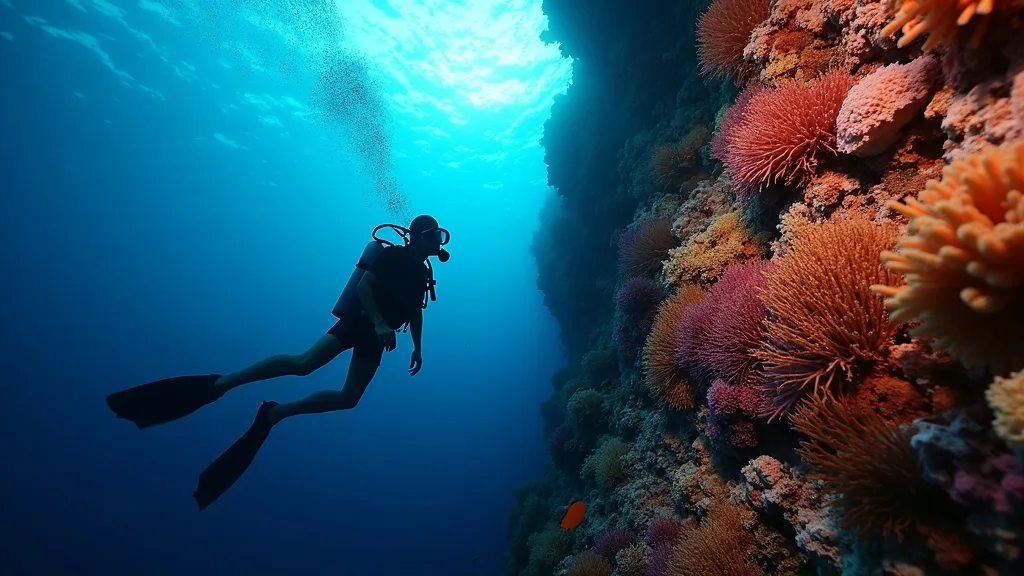
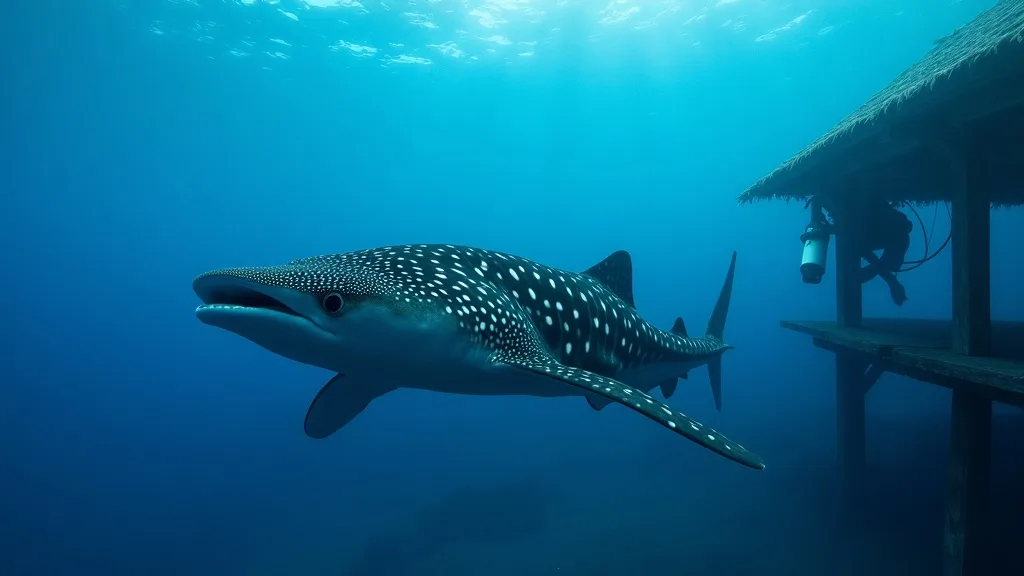
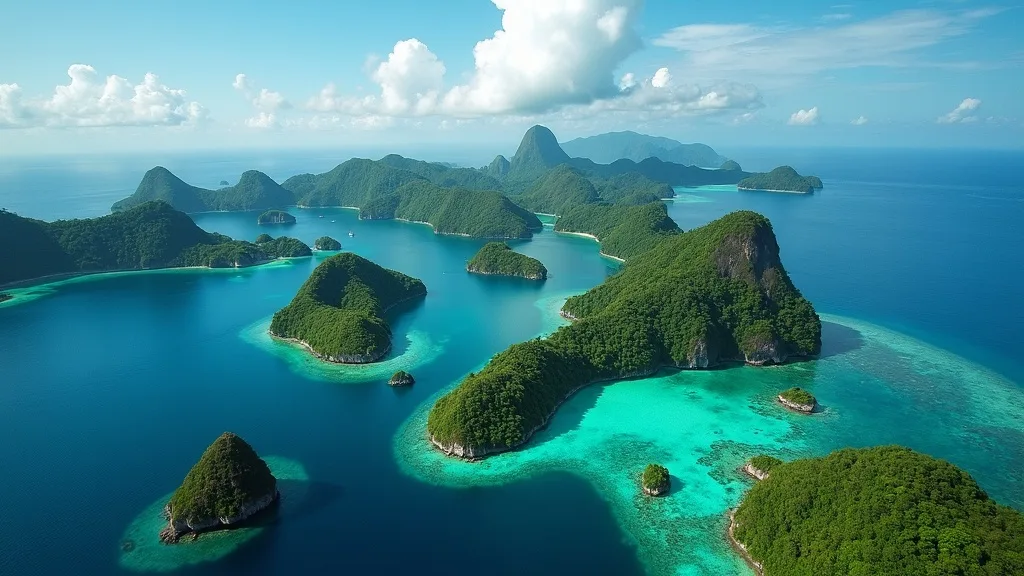
As 2027 approaches, Raja Ampat is poised for a significant surge in eco-tourism, driven by its UNESCO Global Geopark status and a concerted effort to balance increased visitor numbers with environmental preservation. This period promises enhanced infrastructure and diverse premium travel options, cementing its reputation as a premier global diving destination.
The name ‘balitorajaampat’ often surfaces in discussions about Indonesian island retreats, yet it represents a fascinating conflation of two distinct, highly celebrated destinations: Bali, the spiritual and cultural heartland, and Raja Ampat, the marine biodiversity hotspot in West Papua. While Bali offers its own charm, our focus here is squarely on Raja Ampat, a destination that by 2027, is set to experience a truly pivotal moment in its tourism trajectory. This year, in particular, is forecast to be a landmark for the region, marked by a confluence of rising eco-travel demand, significant infrastructure enhancements, and the introduction of new, premium speedboat and liveaboard experiences designed to cater to a discerning global audience.
The 2027 Forecast: A “Special Moment” for Raja Ampat
Forecasting for 2027 suggests a period of intense activity and recognition for Raja Ampat. Experts predict this year will be one of the busiest on record, especially during the high season. This anticipated influx is not merely organic growth; it is significantly bolstered by extensive global media coverage and strategic promotional campaigns orchestrated by the Indonesian Ministry of Tourism. Raja Ampat consistently secures its position within the ‘Top 10 Diving Destinations in the World,’ a to its enduring appeal and exceptional underwater environments. The year 2027 is shaping up to be a culmination of these factors, drawing attention to its fragile yet vibrant ecosystems.
The dominant trend shaping Raja Ampat’s future is unequivocally eco-travel. The emphasis is firmly on preserving the area’s natural beauty while carefully managing the impact of tourism. This approach prioritises higher-cost, lower-impact visits, ensuring that the economic benefits of tourism contribute directly to conservation efforts and local communities. This commitment to sustainability is not new but has gained considerable momentum, particularly since the area officially received UNESCO Global Geopark status in 2023. This prestigious designation further elevates its international standing and reinforces the imperative for responsible tourism practices.
Crucially, the ongoing threat of mining, particularly nickel exploration, has seen a temporary suspension by the Ministry of Environment. This vital intervention is aimed at preventing irreparable damage to the coral reefs and averting widespread pollution, safeguarding the very essence of what makes Raja Ampat so extraordinary. These proactive measures underscore a serious commitment to long-term environmental health over short-term industrial gains.
Navigating Raja Ampat: Tour Packages and Practicalities for 2027
For those planning a visit in 2027, understanding the structure of tour packages and their associated costs is essential. The market offers a range of options, from more accessible open trips to extensive, in-depth explorations. An ‘Open Trip’ by speedboat, typically 4 days and 3 nights (4D3N), is estimated to cost approximately Rp 8,000,000 per person, requiring a minimum of four participants. These packages generally cover the most iconic sights, such as Piaynemo, Arborek, and Pasir Timbul.
For a more comprehensive experience, various package durations are available:
- 4D3N: Focuses on highlights like Piaynemo, Arborek, and Pasir Timbul.
- 7D6N: Offers a balanced mix of popular attractions and lesser-known locations.
- 8D7N: Provides a more relaxed and in-depth exploration of the region.
- 9D8N: Includes opportunities to visit rare and remote spots.
- 12D11N: A full journey designed for dedicated photographers and those seeking a deep, immersive experience.
For optimal planning, bookings should ideally be secured 3-6 months in advance, especially for travel during the peak season of October to April. The high demand forecast for 2027 means early booking is more critical than ever to ensure availability and preferred dates.
Accommodation and Liveaboard Experiences in 2027
Accommodation in Raja Ampat caters to a spectrum of preferences, from rustic homestays to opulent liveaboards. Homestays, often managed by local communities, are a fantastic way to experience local culture and contribute directly to the local economy. Prices for homestays typically range from Rp 350,000 to Rp 500,000 per person per night, inclusive of three meals a day. While basic, they offer an authentic and environmentally conscious lodging option.
For those seeking a more luxurious experience, especially divers, liveaboards are the preferred choice. These luxury raja ampat vessels offer access to remote dive sites, often with amenities that rival five-star hotels. Prices for liveaboards vary significantly based on the vessel’s class, duration, and itinerary, but they generally represent the premium end of the market, reflecting the exclusive access and services provided. New premium speedboat and liveaboard options entering the market in 2027 are set to further enhance this high-end segment, offering even more sophisticated choices for discerning travellers.
Essential Permits and Fees for 2027 Visitors
Visiting Raja Ampat requires specific permits and adherence to local regulations. The Raja Ampat Marine Park Entry Permit, known as the PIN, is mandatory. As of 2027, the cost for foreign visitors is projected at Rp 1,000,000 per person. This permit is valid for one year and is crucial for supporting conservation efforts and local community development. Additionally, a local tourism levy of Rp 50,000 per person is applicable, contributing further to the region’s sustainable management.
All visitors are strongly encouraged to adhere to the established ‘Leave No Trace’ principles. This includes responsible waste disposal, avoiding contact with marine life, and supporting local businesses that demonstrate sustainable practices. The collective effort of visitors is paramount in preserving Raja Ampat’s delicate ecosystems for future generations.
Transportation and Infrastructure Developments for 2027
Access to Raja Ampat primarily involves flying into Sorong’s Domine Eduard Osok Airport (SOQ) and then taking a ferry or speedboat to Waisai, the capital of Raja Ampat. While infrastructure improvements are ongoing, travellers should anticipate varying levels of comfort and efficiency. By 2027, enhancements in both airport facilities and inter-island transport are expected to streamline the journey, though the remoteness of the destination remains a part of its allure.
The introduction of new premium speedboat and liveaboard options signifies a direct response to the increasing demand for higher-quality transport and touring experiences. These vessels offer greater speed, comfort, and often more bespoke itineraries, allowing visitors to explore the archipelago’s vastness with enhanced convenience. While these premium options come at a higher cost, they significantly reduce travel time and improve the overall visitor experience.
| Category | Details for 2027 |
|---|---|
| Forecast Status | “Special moment” for tourism, significant visitor growth expected |
| Dominant Trend | Eco-travel, higher-cost/lower-impact tourism |
| International Recognition | UNESCO Global Geopark (since 2023), Top 10 Diving Destination |
| Conservation Efforts | Mining threats suspended by Ministry of Environment |
| Open Trip (Speedboat, 4D3N) | Approx. Rp 8,000,000 per person (min. 4 pax) |
| Booking Window | 3-6 months in advance recommended (especially for peak season Oct-Apr) |
| Homestay Prices | Rp 350,000 – Rp 500,000 per person per night (inc. 3 meals) |
| Marine Park Entry Permit (PIN) | Rp 1,000,000 per foreign visitor (1-year validity) |
| Local Tourism Levy | Rp 50,000 per person |
| Main Access Point | Sorong (SOQ) Airport, then ferry/speedboat to Waisai |
What makes 2027 a “special moment” for Raja Ampat tourism?
2027 is considered a “special moment” due to a convergence of factors: rising global interest in eco-travel, significant improvements in local infrastructure, and the introduction of new premium speedboat and liveaboard options. These developments, combined with Raja Ampat’s prestigious UNESCO Global Geopark status and ongoing promotional efforts by the Indonesian Ministry of Tourism, are expected to lead to a substantial increase in visitor numbers, potentially making it one of the busiest years on record, particularly during the high season.
How can visitors ensure their trip to Raja Ampat is environmentally responsible in 2027?
To ensure an environmentally responsible trip, visitors should prioritise booking with tour operators and accommodations that demonstrate a clear commitment to sustainability and local community engagement. Adhering strictly to ‘Leave No Trace’ principles, including proper waste management and avoiding contact with marine life, is crucial. Additionally, purchasing the mandatory Marine Park Entry Permit (PIN) and local tourism levy directly supports conservation initiatives and local development, contributing to the long-term preservation of Raja Ampat’s unique ecosystems.