Raja Ampat is poised for a significant surge in eco-travel during 2027, driven by its UNESCO Global Geopark status, enhanced infrastructure, and a focus on sustainable, high-value tourism. Visitor numbers are expected to reach record levels, establishing it as a prime year for experiencing one of the world’s top diving destinations.
The year 2027 is shaping up to be a pivotal moment for Raja Ampat, a destination celebrated globally for its marine biodiversity and pristine coral ecosystems. With increasing global awareness around eco-travel and significant infrastructural improvements, the archipelago is preparing for what many predict will be one of its busiest and most rewarding years for visitors. This period marks a convergence of dedicated conservation efforts, strategic tourism promotion, and a growing demand for immersive, responsible travel experiences.
The 2027 Outlook: A Special Moment for Raja Ampat
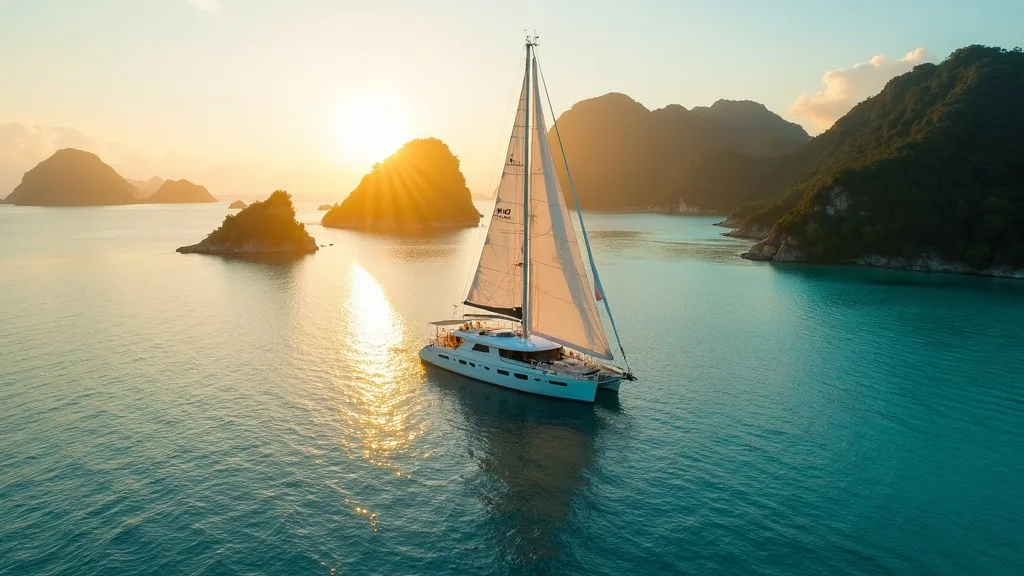
Forecasts indicate that 2027 will be a truly special moment for Raja Ampat tourism. Several factors contribute to this optimistic outlook. The rising global interest in eco-travel aligns perfectly with Raja Ampat’s long-standing commitment to preserving its natural environment. Enhancements in local infrastructure, particularly around transportation and accommodation, are making the region more accessible and comfortable for visitors without compromising its delicate ecosystems. Furthermore, the introduction of new premium speedboat and liveaboard options provides travellers with more sophisticated ways to explore the extensive archipelago.
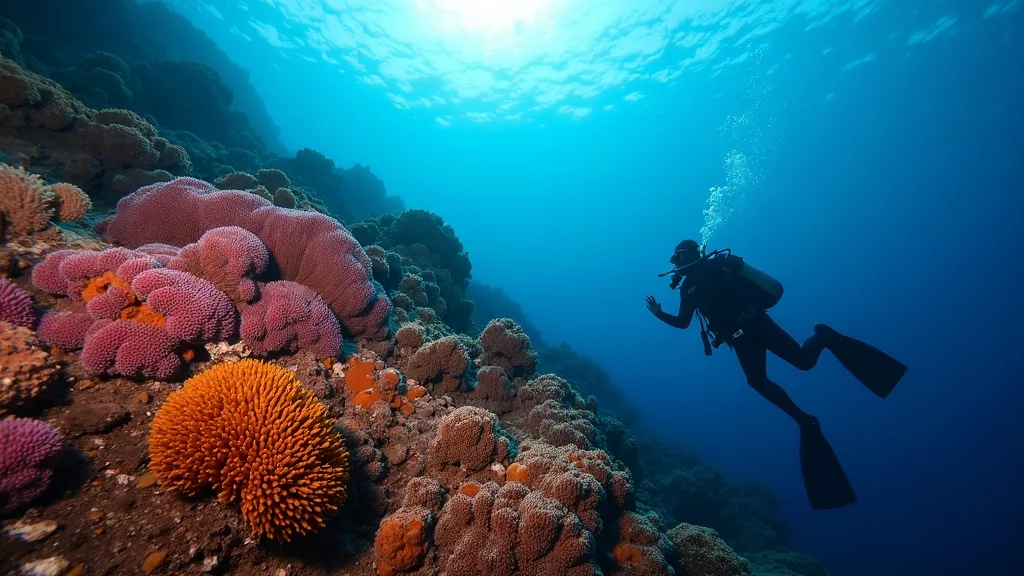
Visitor numbers are expected to grow significantly, potentially making 2027 one of the busiest years during the high season. This surge is fuelled by sustained global media coverage highlighting Raja Ampat’s unique attributes and robust promotional campaigns by the Indonesian Ministry of Tourism. The region consistently ranks among the ‘Top 10 Diving Destinations in the World’, a to its extraordinary underwater landscapes and the rich variety of marine life found within its waters.
Eco-Travel Dominance and UNESCO Recognition
Eco-travel stands as the dominant trend shaping Raja Ampat’s tourism future. The focus remains squarely on preserving the region’s natural beauty while accommodating a higher-cost, lower-impact tourism model. This approach ensures that the benefits of tourism are realised sustainably, with minimal environmental footprint. Since 2023, the area has officially been recognised as part of the UNESCO Global Geopark network, significantly boosting its international prestige and reinforcing its status as a site of outstanding geological and ecological importance. This designation not only attracts a more discerning type of traveller but also provides additional impetus for conservation efforts.
A crucial development safeguarding Raja Ampat’s future is the temporary suspension of mining threats, particularly concerning nickel extraction. The Ministry of Environment has intervened to prevent potential coral reef loss and widespread pollution, demonstrating a clear commitment to protecting the region’s primary assets. This proactive stance ensures that the pristine marine environments that draw visitors from across the globe will remain intact for future generations.
Understanding 2027 Tour Packages and Pricing
For those planning a visit in 2027, understanding the available tour packages and pricing is essential. Raja Ampat offers a range of options, from shorter introductory trips to extensive, in-depth expeditions. Pricing reflects the remote nature of the destination, the quality of services, and the emphasis on sustainable tourism practices.
Typical 2027 Tour Package Prices:
- Open Trip (Speedboat, 4D3N): Approximately Rp 8,000,000 per person, based on a minimum of four participants. This package typically covers highlights such as Piaynemo, Arborek, and Pasir Timbul.
Package durations are varied to suit different interests and schedules:
- 4 Days, 3 Nights (4D3N): Ideal for a quick immersion, focusing on iconic sites.
- 7 Days, 6 Nights (7D6N): A balanced option combining popular spots with some less-frequented areas.
- 8 Days, 7 Nights (8D7N): Allows for more relaxed and extensive exploration.
- 9 Days, 8 Nights (9D8N): Includes visits to rarer, more remote locations.
- 12 Days, 11 Nights (12D11N): A comprehensive journey designed for serious photographers or those seeking a truly deep experience of the archipelago.
Booking windows are relatively flexible, but given the anticipated popularity of 2027, early reservations are strongly advised, especially for peak season travel. For those seeking bespoke arrangements or a more exclusive experience, exploring options with providers specialising in luxury Raja Ampat travel can offer tailored itineraries and premium services.
Liveaboard Experiences: The Ultimate Raja Ampat Immersion
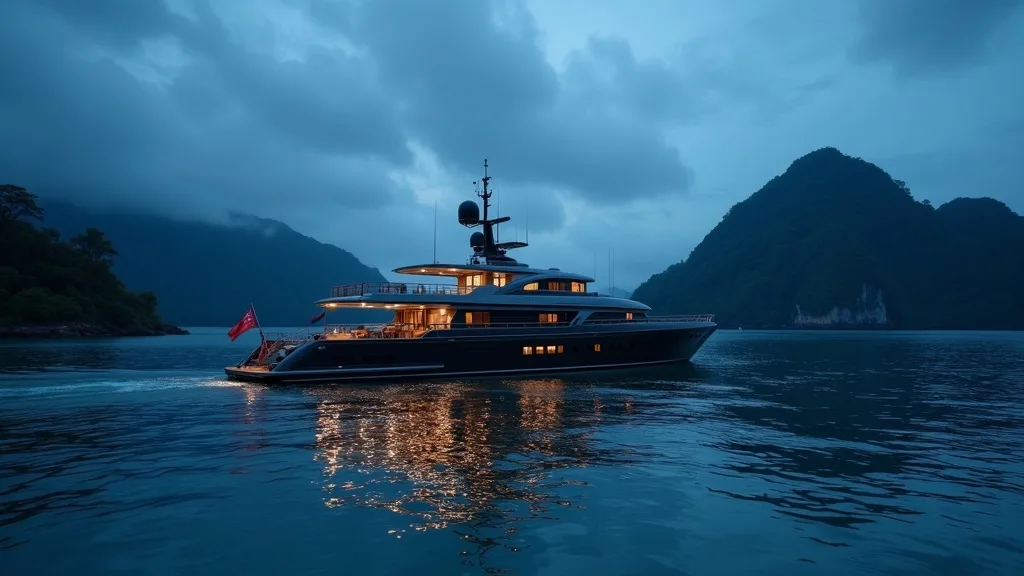
Liveaboard cruises remain the quintessential way to experience Raja Ampat, offering access to its remote dive sites and islands. For 2027, the market sees an expansion in premium liveaboard options, catering to discerning travellers seeking comfort, excellent service, and direct access to the best diving spots.
2027 Liveaboard Pricing (Indicative):
| Duration | Starting Price (per person, twin share) | Inclusions (Typical) |
|---|---|---|
| 6 Days, 5 Nights | US$ 2,500 – US$ 4,000 | Full board accommodation, diving, dive guide, port fees, local transfers |
| 8 Days, 7 Nights | US$ 3,500 – US$ 6,000 | Full board accommodation, diving, dive guide, port fees, local transfers, some excursions |
| 10 Days, 9 Nights | US$ 4,500 – US$ 8,000+ | Full board accommodation, extensive diving, dive guide, port fees, local transfers, multiple excursions |
These prices typically include full board accommodation, multiple daily dives, dive guides, necessary permits (like the Raja Ampat Marine Park Fee), and local transfers to and from the embarkation point. Exclusions often include international flights, nitrox fills, rental equipment, and alcoholic beverages. Booking a liveaboard far in advance, ideally 12-18 months prior, is highly recommended to secure preferred dates and cabins, especially for the high season.
Conservation and Sustainability: The Core of Raja Ampat Tourism
At its heart, Raja Ampat’s tourism model is built on conservation and sustainability. Visitors are encouraged to engage in responsible travel practices, respecting local customs, minimising waste, and adhering to guidelines designed to protect the fragile marine and terrestrial environments. The increased visitor numbers in 2027 will place an even greater emphasis on these principles, with tourism operators and local communities working in concert to manage impact effectively.
The success of Raja Ampat as a premier eco-tourism destination relies on a delicate balance between welcoming visitors and safeguarding its natural heritage. The 2027 projections highlight a future where responsible tourism can thrive, contributing to local economies while maintaining the ecological integrity of this extraordinary part of Indonesia.
Preparing for Your 2027 Raja Ampat Adventure
Given the anticipated popularity of 2027, meticulous planning is crucial for an optimal Raja Ampat experience. This includes researching reputable tour operators and liveaboard companies, understanding the specific inclusions and exclusions of packages, and preparing for the logistics of travel to a remote destination. Flights to Sorong (SOQ), the main entry point, often involve connections through major Indonesian hubs like Jakarta (CGK) or Makassar (UPG).
Ensuring you have appropriate travel insurance, dive certification (if applicable), and any necessary vaccinations is also vital. By planning ahead and embracing the ethos of eco-travel, visitors to Raja Ampat in 2027 can look forward to an unforgettable journey into one of the planet’s most biodiverse and visually stunning regions.
Q&A:
What makes 2027 a special year for Raja Ampat tourism?
2027 is predicted to be a special moment for Raja Ampat due to a confluence of factors: rising global interest in eco-travel, significant improvements in infrastructure, new premium speedboat and liveaboard options, and sustained global media coverage. The region’s official designation as a UNESCO Global Geopark since 2023 further boosts its prestige, attracting more visitors. These elements combine to forecast one of the busiest years for the destination, particularly during the high season, all while maintaining a focus on sustainable, high-value tourism.
What are the typical costs for a liveaboard experience in Raja Ampat in 2027?
For 2027, liveaboard experiences in Raja Ampat typically range from US$2,500 to over US$8,000 per person, depending on the duration and level of luxury. A 6-day, 5-night trip might start around US$2,500-US$4,000, while an 8-day, 7-night journey could be US$3,500-US$6,000. Extended trips of 10 days or more, offering in-depth exploration, can exceed US$4,500, potentially reaching US$8,000+. These prices generally include full board accommodation, multiple daily dives, dive guides, and local transfers, but usually exclude international flights, nitrox, rental gear, and alcoholic beverages.