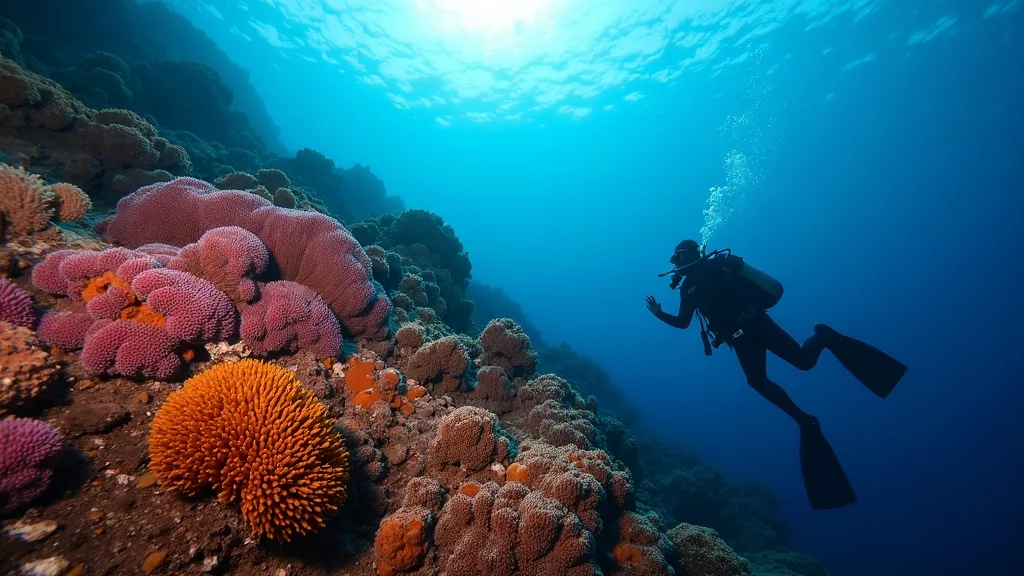
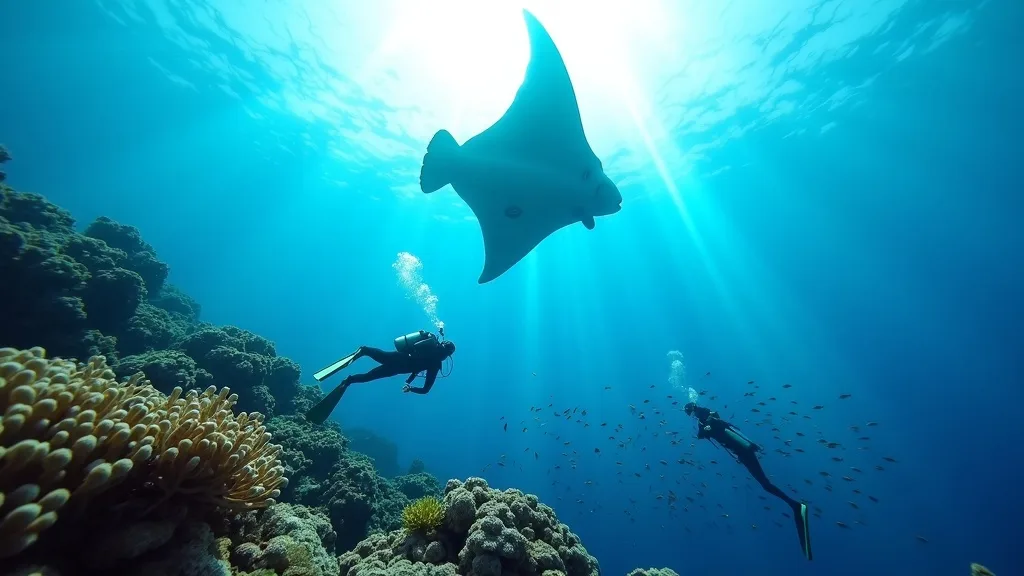
Raja Ampat is set for a significant year in 2027, driven by a surge in eco-travel demand, substantial infrastructure upgrades, and an expanded range of premium liveaboard and speedboat options. This period is expected to be one of its busiest, with visitor numbers growing considerably, positioning the archipelago firmly within the top ten global diving destinations.
As we approach 2027, Raja Ampat stands at a pivotal moment. The convergence of heightened global awareness, strategic promotional efforts by the Indonesian Ministry of Tourism, and a robust commitment to eco-tourism principles are shaping a unique visitor experience. This year is not just another chapter; it is a declaration of Raja Ampat’s enduring appeal and its dedicated path towards sustainable, high-value tourism. With its recent designation as a UNESCO Global Geopark in 2023, the region’s international standing has only solidified, attracting a discerning clientele eager to experience its extraordinary biodiversity responsibly.
The Ascendancy of Eco-Travel in Raja Ampat
The dominant trend defining Raja Ampat’s tourism in 2027 is unequivocally eco-travel. This is not merely a buzzword but a deeply ingrained philosophy guiding development and visitor engagement. The focus is acutely on preserving the pristine natural beauty of the archipelago, ensuring that increased visitor numbers do not compromise the delicate marine and terrestrial ecosystems. This commitment translates into a tourism model that favours lower-impact activities, encourages responsible interaction with wildlife, and supports local conservation initiatives.
Visitors in 2027 will find that eco-travel principles are integrated into every aspect of their journey, from accommodation choices to tour operators. Many resorts and liveaboards are actively engaged in coral reef restoration projects, waste management programmes, and community empowerment initiatives. This approach appeals to a growing segment of travellers who seek not just a holiday, but an experience that aligns with their values of environmental stewardship and social responsibility. The financial investment required for such trips often reflects the operational costs of maintaining these high standards, ensuring that the tourism footprint remains manageable and beneficial to the local environment and communities.
Infrastructure Enhancements and Connectivity
Significant strides in infrastructure development are making Raja Ampat more accessible and comfortable for visitors in 2027. Sorong’s Domine Eduard Osok Airport (SOQ) continues to be the primary entry point, benefiting from improved flight connections from major Indonesian hubs like Jakarta, Makassar, and Manado. These enhancements mean smoother transit for international travellers, reducing overall travel time and fatigue.
Beyond air travel, the marine transport network has seen considerable upgrades. A new ferry terminal in Sorong, operational since 2026, streamlines the transfer process to Waisai, the capital of Raja Ampat. Furthermore, the introduction of more premium speedboats and a wider selection of luxury liveaboards provides diverse options for exploring the archipelago. These modern vessels are designed not only for comfort and efficiency but also often incorporate environmentally friendly technologies, such as reduced emissions and improved waste management systems, aligning with the region’s eco-tourism mandate. The improved connectivity ensures that even the more remote areas of Raja Ampat are within reach for those seeking deeper exploration.
Navigating 2027: Visitor Numbers and Booking Dynamics
Forecasters predict 2027 will be a ‘special moment’ for Raja Ampat, potentially one of its busiest years, particularly during the high season. This surge is attributed to a confluence of factors: sustained global media coverage, targeted promotions by the Indonesian Ministry of Tourism, and the growing appeal of eco-tourism destinations. The UNESCO Global Geopark status, conferred in 2023, has further amplified its prestige, drawing a wider international audience.
However, this anticipated popularity necessitates strategic planning for prospective visitors. Booking windows are notably extended, with many premium liveaboards and resorts requiring reservations 12 to 18 months in advance. For the more budget-conscious ‘open trip’ options, a 6 to 9-month lead time is advisable. The Papuan local government’s implementation of a new online booking system aims to streamline this process, offering greater transparency and efficiency. This system is crucial for managing visitor flow, ensuring that the carrying capacity of sensitive areas is not exceeded, and maintaining the quality of the visitor experience. Prospective travellers are strongly advised to finalise their itineraries well in advance to secure their preferred dates and accommodations.
Investment and Conservation: A Delicate Balance
Raja Ampat’s commitment to conservation extends beyond tourism practices to active policy decisions. A significant development in recent years has been the temporary suspension of nickel mining threats by the Ministry of Environment. This decisive action underscores the government’s recognition of the critical importance of preserving Raja Ampat’s coral reefs and marine ecosystems from industrial pollution. Such measures are vital for maintaining the region’s biodiversity, which is the cornerstone of its appeal as a diving destination.
The financial investment in protecting Raja Ampat is substantial, evidenced by the conservation fee (PIN) of Rp 1,000,000 for international visitors, valid for one year. This fee directly contributes to conservation efforts, including marine park management, ranger patrols, and community development projects. The integration of high-cost, lower-impact tourism is a deliberate strategy to generate sufficient revenue for these conservation initiatives while minimising environmental strain. This model ensures that Raja Ampat remains a pristine sanctuary for future generations, offering an authentic and responsible travel experience. For those seeking truly exceptional experiences, exploring luxury raja ampat options can provide both comfort and a contribution to these vital conservation efforts.
2027 Tour Package Offerings and Pricing
In 2027, Raja Ampat offers a diverse array of tour packages catering to different durations and interests. These range from concise 4-day, 3-night trips focusing on key highlights to extensive 12-day, 11-night expeditions designed for in-depth exploration and photography. The pricing reflects the comprehensive nature of these packages, often including accommodation, meals, guided excursions, and sometimes domestic flights within Indonesia.
Here’s a breakdown of typical offerings and anticipated costs:
| Package Type | Duration | Key Features | Approx. Price (per person, in IDR) | Booking Window |
|---|---|---|---|---|
| Open Trip (Speedboat) | 4D3N | Piaynemo, Arborek, Pasir Timbul | Rp 8,000,000 (min. 4 pax) | 6-9 months |
| Standard Exploration | 7D6N | Mix of popular spots and deeper exploration | Rp 15,000,000 – Rp 25,000,000 | 9-12 months |
| In-Depth Immersion | 8D7N | Relaxed exploration, more dive sites | Rp 20,000,000 – Rp 35,000,000 | 12-15 months |
| Remote Archipelago Journey | 9D8N | Includes rare, remote spots, advanced diving | Rp 25,000,000 – Rp 45,000,000 | 12-18 months |
| Photographer’s Expedition | 12D11N | Full journey for photographers/deep experience | Rp 35,000,000 – Rp 60,000,000+ | 18 months+ |
These prices are indicative and can vary based on the level of accommodation (homestay, resort, liveaboard), inclusions, and the specific operator. It is crucial to verify what is included in each package, as some might exclude flights, conservation fees, or diving equipment rental. Early booking is particularly beneficial for securing better rates and ensuring availability, especially for bespoke or high-demand itineraries.
The Future Outlook: Sustaining Raja Ampat’s Allure
Raja Ampat in 2027 represents a destination that has successfully navigated the complexities of increased popularity while steadfastly adhering to its conservation principles. The focus on high-value, lower-impact eco-tourism ensures that while visitor numbers may rise, the environmental strain is carefully managed. The ongoing commitment to protecting its marine biodiversity, coupled with strategic infrastructure improvements, positions Raja Ampat as a leader in sustainable tourism.
The continued vigilance against threats like mining, combined with robust conservation efforts funded by visitor contributions, guarantees that Raja Ampat will remain a vibrant and intact ecosystem. For travellers seeking an authentic, responsible, and utterly spectacular encounter with nature, Raja Ampat in 2027 offers an experience that is both profoundly rewarding and ethically sound. Its journey towards becoming a global icon of sustainable travel is a compelling narrative for all who cherish our planet’s natural wonders.
Q&A: Planning Your 2027 Raja Ampat Trip
What are the essential items to pack for a Raja Ampat trip in 2027?
For a Raja Ampat trip in 2027, essential items include lightweight, quick-drying clothing, swimwear, reef-safe sunscreen, insect repellent, a wide-brimmed hat, sunglasses, reusable water bottle, and a dry bag for electronics. For diving or snorkelling, consider bringing your mask and snorkel for comfort, though equipment rental is widely available. A good quality camera with underwater housing is highly recommended to capture the stunning marine life. Do not forget any personal medications and a basic first-aid kit. Given the focus on eco-travel, consider packing items with minimal plastic packaging.
How can I ensure my trip to Raja Ampat is environmentally responsible in 2027?
To ensure an environmentally responsible trip to Raja Ampat in 2027, choose tour operators and accommodations that explicitly adhere to eco-tourism principles, such as those certified by local environmental organisations or with clear sustainability policies. Minimise plastic waste by using reusable bottles and bags, and avoid single-use plastics. Use reef-safe sunscreen to protect coral reefs. Always maintain a respectful distance from marine life and avoid touching or disturbing corals. Participate in community-based tourism initiatives where possible, and ensure your conservation fee (PIN) is paid, as it directly supports local conservation efforts. Support local businesses and respect local customs and traditions.